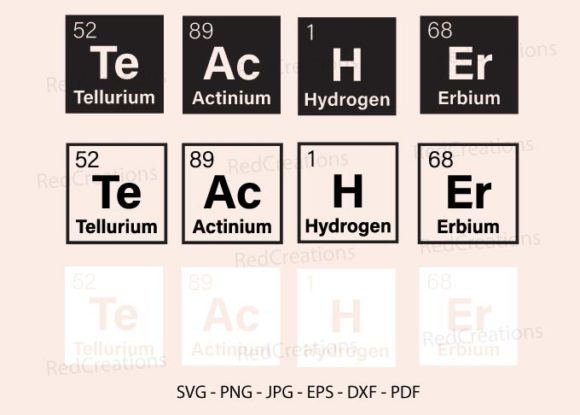
Teacher Periodic Table Svg, Chemistry: A Designer Review
As a professional embroidery designer who has spent years turning digital assets into tangible, stitched products, I approach every new design with a critical eye. The market is flooded with Crafts and Graphics that look perfect on a screen but fall apart under the needle. Today, I am evaluating the Teacher Periodic Table Svg, Chemistry to see if it holds up in a real-world commercial setting. This isn't just about downloading an SVG file; it is about understanding how this specific chemistry-themed design translates from a vector graphic into a high-quality machine embroidery design.
First Impressions: Visual Weight and Design Intent
When I first opened the Teacher Periodic Table Svg, Chemistry, my immediate reaction was one of cautious optimism. The layout is dense, featuring the iconic grid structure of the periodic table mixed with humorous chemical element puns. Visually, it screams "science teacher," which is exactly what we want for a targeted personalized gift. However, for an embroiderer, density is a double-edged sword. The design relies heavily on small squares and tiny text to create its visual impact.
The mood it creates is playful yet academic, making it a strong contender for custom apparel like teacher appreciation gifts or science club merchandise. The visual personality is bold, but the challenge lies in the execution. In the world of digital product sellers, this falls squarely into the category of niche-specific design assets. It is not a generic floral motif; it requires precision. If you are planning to use this as a tote bag design or a sweatshirt embroidery project, you must respect the intricate details that make the periodic table recognizable.
Real-World Application: From Screen to Stitch
Let's imagine a real scenario. I have a client who runs a boutique Etsy shop specializing in educator gifts. They want to create a limited run of embroidered aprons and heavy-duty canvas tote bags using the Teacher Periodic Table Svg, Chemistry. How does this play out?
For a canvas tote bag, the fabric texture is forgiving enough to handle moderate stitch density. However, the small letters representing elements like Hydrogen (H) or Helium (He) are the weak link. If the stitch density is too high in these small areas, the thread will bunch up, obscuring the text. Conversely, if the density is too low, the fill stitch will show gaps in the background color, ruining the clean look of the table.
I would recommend testing this on a scrap piece of the exact same canvas before committing to the full batch. When converting this SVG into an embroidery file, you cannot simply rely on auto-digitizing software. You need to manually adjust the running stitch settings for the outlines and ensure the fill stitch direction changes frequently to prevent shading issues. For a sweatshirt embroidery project, the looped texture of the fleece adds another layer of complexity. The stabilizer choice becomes critical here. Without a tear-away or cut-away stabilizer that provides firm support, the puckering around the dense grid lines could ruin the garment.
Navigating Challenges: Where Caution is Required
While the Teacher Periodic Table Svg, Chemistry is a fantastic concept, it is not suitable for every application. As a designer, I advise against using this specific layout for very small hoop sizes. Attempting to fit the entire periodic table into a 4x4 inch hoop will result in unreadable text and distorted shapes. This design demands space. If you are creating an embroidered patch, ensure the patch size is at least 6 inches wide to maintain legibility.
Another area requiring careful consideration is the fabric type. On thin fabrics like lightweight cotton tees, the sheer volume of thread required to fill the periodic table grid can cause significant distortion. The weight of the thread might stretch the fabric, leading to a wavy finish that looks unprofessional. Similarly, on dark fabrics, the contrast of the thread colors becomes paramount. If the design uses light gray or pastel threads for the element boxes, they may disappear against a black sweatshirt. You must test the design in black and white mockups first to verify visibility before purchasing thread.
Curved surfaces, such as caps or hats, present another hurdle. The rigid, square nature of the periodic table grid fights against the curvature of a cap front. The corners of the element boxes may pull away from the fabric, creating a jagged edge. Unless you are willing to do extensive manual editing to soften the corners or break the grid into smaller, manageable sections, this design is better suited for flat surfaces like pillow covers, tea towels, or the chest of a t-shirt.
Enhancing Product Value and Brand Consistency
Despite these challenges, when executed correctly, the Teacher Periodic Table Svg, Chemistry significantly boosts the perceived value of a handmade product. Customers buying teacher gifts appreciate attention to detail. A clean, sharp embroidery job signals quality and care, which builds customer trust and encourages repeat business for your craft business.
For the Etsy seller or small shop product owner, this design offers a unique selling point. It moves beyond generic "Best Teacher Ever" slogans into a more intellectual, niche aesthetic. This specificity helps with buyer engagement because it shows you understand your audience. The finished product feels more premium than a simple vinyl decal. It has texture, dimension, and a tactile quality that appeals to buyers looking for a holiday gift or a meaningful retirement present.
However, remember that the quality of the final item reflects directly on your brand consistency. If the stitching is messy or the text is illegible, it damages your reputation. Always review the stitch count provided by the digitizing software. If the count seems disproportionately high for the size of the design, it indicates excessive density that will likely fail on the machine. Adjustments are necessary to ensure the finished product meets professional standards.
Practical Notes for the Embroidery Designer
Before you commit to a large production run, follow these practical steps to ensure success with the Teacher Periodic Table Svg, Chemistry:
- Test on Scrap Fabric: Never skip this step. Run a sample on the actual material you intend to sell to check for puckering and tension issues.
- Check Thread Color Contrast: Ensure the element symbols stand out clearly against the background color of the garment.
- Review Stitch Density: Manually reduce density in small text areas to prevent thread buildup and improve clarity.
- Confirm Hoop Size: Verify that your hoop is large enough to accommodate the full width of the periodic table without cropping essential details.
- Inspect Small Details: Zoom in on the digitized file to check for overlapping stitches that could cause breaks during sewing.
- Use Proper Stabilizer: Invest in a high-quality cut-away stabilizer for knits and a tear-away for woven fabrics to support the heavy stitching.
- Verify Licensing: Before selling any commercial embroidery items, confirm that your license allows for the sale of finished goods. Do not assume all SVG files come with commercial rights.
- Create Printable Mockups: Use the included PNG and JPG files to create realistic previews for your online store to manage customer expectations.
In conclusion, the Teacher Periodic Table Svg, Chemistry is a powerful tool for the right creator. It offers a unique opportunity to create memorable, high-value items for the education community. But like any complex machine embroidery design, it demands respect for the medium. By understanding the limitations of the design and applying proper digitizing techniques, you can turn this digital graphic into a stunning, physical masterpiece that your customers will love.