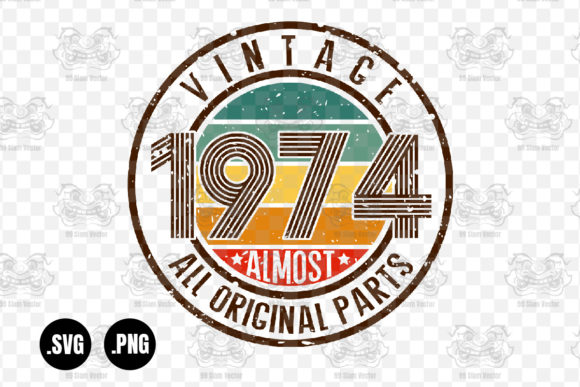
Vintage 1974 Almost All Original Parts Review
As a designer who has spent years navigating the intersection of digital assets and physical thread, I approach every new file with a critical eye. The market is flooded with generic Graphics, but finding a design that translates well from a screen to a hoop requires more than just a cool slogan. Today, I am evaluating the Vintage 1974 Almost All Original Parts design. This piece immediately stands out as a strong contender for the birthday niche, specifically targeting those celebrating a milestone year or simply appreciating retro humor. Before committing this to a client project or a small shop inventory, it is essential to understand how this specific layout behaves in real-world embroidery scenarios.
First Impressions: Mood and Visual Weight
When I first opened the preview for Vintage 1974 Almost All Original Parts, the visual personality was clear. It leans heavily into the nostalgic aesthetic of the mid-70s, utilizing a font style that suggests wear and tear, fitting perfectly with the "almost all original parts" joke. For an embroidery project, the layout feels balanced, but the density of the text combined with any decorative elements needs careful consideration. In the world of Crafts, humor sells, but legibility wins over longevity. If the lettering is too condensed, the stitch count can skyrocket, leading to puckering on softer fabrics.
The design creates an immediate sense of fun and self-deprecation, which is perfect for personalized gifts. However, as a professional, I look at the negative space. Does the design breathe? In my experience, designs that pack too much detail into a small area often struggle when converted to a machine embroidery design. The Vintage 1974 Almost All Original Parts concept relies on the viewer reading the phrase quickly, so clarity is paramount. If you are planning to use this for a custom apparel line, ensure the digital version allows for clean lines that won't get lost in a sea of fill stitch.
Real-Life Application: The Sweatshirt Scenario
To truly test the viability of this asset, imagine a specific scenario: You are preparing a custom embroidered sweatshirt for a client turning 50. They want the Vintage 1974 Almost All Original Parts motif on the chest. This is a classic use case for sweatshirt embroidery. The fabric here is thick and textured, which adds a layer of complexity. Unlike a flat cotton tee, a fleece sweatshirt has a nap that can obscure fine details.
In this context, the stitch density becomes your biggest concern. If the design file has too many tiny letters or intricate curves, the thread may not lay flat against the fuzzy surface of the sweatshirt. I would recommend using a heavier stabilizer to support the weight of the thread. Furthermore, the choice of thread colors matters immensely. A dark grey or vintage brown thread on a heather grey sweatshirt might lack the contrast needed for the joke to land. Conversely, a bright pop of color could make the text pop but clash with the retro vibe. The key is to balance the vintage mood with the technical requirements of the fabric texture.
This design also works exceptionally well for tote bag design projects. Canvas is forgiving, allowing for a wider range of stitch types, including satin stitch for the outlines. A tote bag featuring this quote becomes an instant conversation starter at a craft fair, serving as both a functional item and a statement piece. For the Etsy seller or small shop product owner, this versatility increases the potential return on investment for a single digital embroidery file.
Navigating Challenges: Where Caution is Required
While the concept is solid, there are specific situations where Vintage 1974 Almost All Original Parts requires extra caution. Small hoop sizes are a primary concern. If you attempt to fit this entire phrase into a 4x4 inch hoop, the text will likely become illegible. The running stitch or fill stitch used for the letters may blur together, ruining the readability of the punchline. Always check the recommended hoop size before starting.
Another challenge lies in curved surfaces, such as caps or hats. Embroidering text on a cap brim is notoriously difficult due to the tension required. If the design includes complex curves or tight corners, the needle might skip, or the thread could break. For a cap embroidery project, you might need to simplify the design or adjust the underlay settings significantly. Additionally, thin or stretchy fabrics like jersey knit require a cut-away stabilizer to prevent the design from distorting when the garment is worn. Without proper support, the finished product could look wrinkled and unprofessional.
Dense stitch areas are another pitfall. If the design file is not optimized, heavy stitching can create a hard, plastic-like feel on the fabric, which customers often dislike on items like baby clothes or pillow covers. For baby embroidery, softness is non-negotiable. If you plan to use this design for a nursery item, consider reducing the density or opting for a lighter thread weight to maintain comfort.
Practical Designer Notes for Success
Before you commit to selling or producing items with this design, follow these practical steps to ensure quality:
- Test on Scrap Fabric: Never run a new design directly on a customer's order. Stitch a test run on the exact fabric type you intend to use. Check for puckering, thread breaks, and registration issues.
- Check Color Contrast: Review how the design looks in black and white mockups first. Ensure the text remains readable regardless of the background color. High contrast is crucial for the joke to be understood instantly.
- Inspect Small Details: Zoom in on the digital file. Are there tiny gaps between letters that might get filled with stray threads? Clean up the vector paths if necessary before converting to an embroidery file.
- Verify Licensing: Confirm whether the license allows for commercial use. As a craft business owner, you must know if you can sell the finished handmade product or only the digital file itself.
- Use Proper Stabilizer: Match your stabilizer to the fabric. Heavyweight items need tear-away or cut-away stabilizers, while delicate fabrics might require water-soluble options.
Impact on Brand and Customer Trust
Using a well-executed design like Vintage 1974 Almost All Original Parts can significantly boost your brand's perception. When a customer receives a high-quality personalized gift with crisp, clear stitching, their trust in your commercial embroidery services grows. It signals professionalism and attention to detail. On the other hand, a poorly executed design with messy edges or unreadable text can damage your reputation quickly.
For the digital product seller, offering a design that is easy to stitch and visually appealing increases buyer engagement. Customers appreciate assets that work reliably across different machines and fabric types. By vetting this design thoroughly, you ensure that your design assets contribute to a positive user experience. Whether it is a holiday gift, a wedding favor, or a boutique merchandise item, the success of the project hinges on the execution of the design.
In conclusion, Vintage 1974 Almost All Original Parts is a versatile and humorous option for the Crafts category. It fits naturally into the narrative of retro-themed celebrations. However, its success depends entirely on your ability to adapt it to the specific constraints of your materials and equipment. By testing thoroughly, choosing the right stabilizer, and respecting the limitations of your hoop size, you can transform this Graphics file into a standout finished product that delights your customers and strengthens your business.